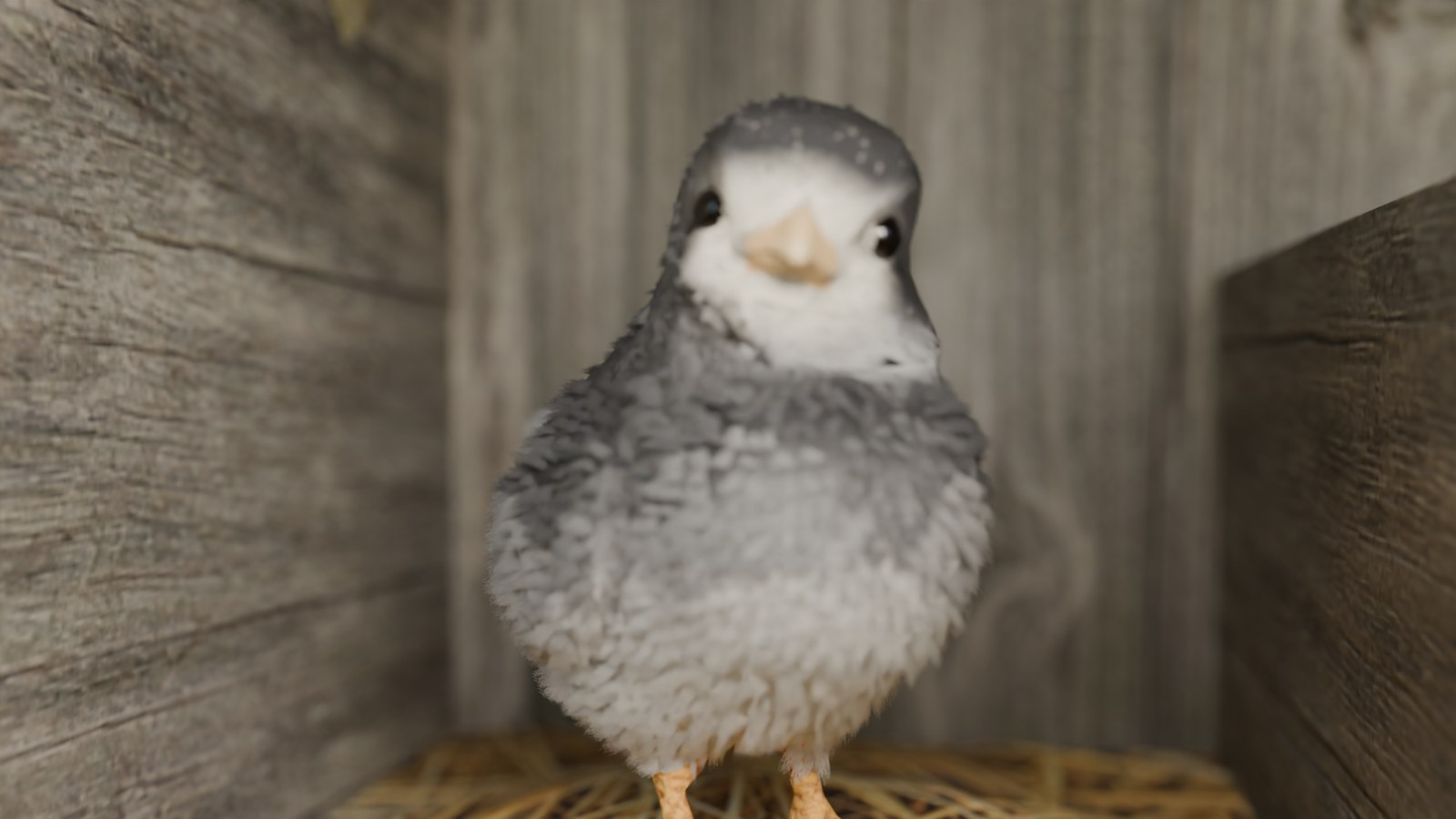
Coming next: Hen Houses and the Chicken Breeding overhaul
Chickens are getting a complete overhaul. Every bird will be one of a kind, with its own genes, its own stats and its own story. Breeders will build their lines generation by generation, and trade what they breed with everyone else. Here is what we are building, and where it has got to.
Three Hen Houses

| Hen House | holds | birds out on show |
|---|---|---|
| Starter | 10 | 6 |
| Standard | 20 | 12 |
| Breeder | 50 | 24 |
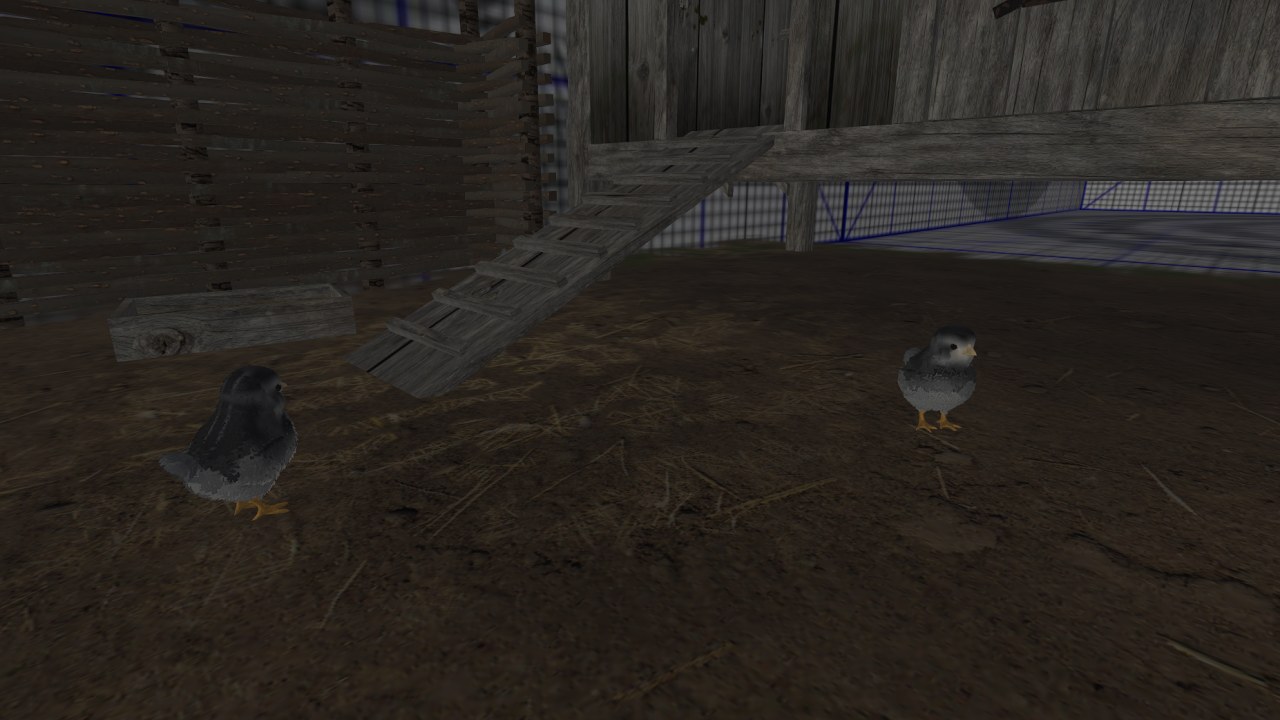
Your birds live in their Hen House, and the ones you put on show wander their run in front of it. Each bird turns its own way and keeps to its own patch, so a full run looks like a flock, not a parade ground. You choose how each bird is shown: a light mesh bird, or an animated one that pecks and potters about.
The starter pack
A Starter Hen House comes with two ready-to-hatch Silver Laced Wyandotte eggs, a hen and a rooster, so the first thing you do is hatch your own chicks. The eggs come only with a Hen House bought from the official SL Colonies vendors or from our website, never with a second-hand coop.
Hatching
When you hatch an egg you choose which of your Hen Houses the chick will live in. The egg wobbles, cracks and opens in front of everyone nearby, and the chick shakes itself off and walks straight in.
Every bird is one of a kind
- Genes and stats. Laying, egg size, shell strength, growth, meat, plumage, health, fertility, temperament and more. A bird shows what its genes allow and how well it has been kept.
- Breeding is a surprise. You won’t know what is inside a fertile egg until you candle it.
- Selling is not. A ready-to-hatch egg you buy shows its breed, plumage, sex, stats and where it came from, so you know exactly what you are paying for.
- Lineage. Every bird will have its own page showing its parents, their parents and who bred them. That is how breeders build a name, without ever giving away how they got there.
Trading eggs
Ready-to-hatch eggs are items, so they trade the way everything already does: hand to hand with the HUD, in your shops and vendors for coin, and in trading crates on the Trading Post for L$. Look inside a crate and you see the egg’s card: its breed, plumage art, sex and stats.
Keeping a flock
- Feeding. Each Hen House has a main feeder, a chick feeder and a water trough. Fill them with stockfeed from the new Provender Bench, and the right ration helps each bird reach what it was bred for. A hungry bird loses condition, so neglect costs quality, never the bird.
- Cleaning. A busy coop gets dirty. Cleaning it gives you dung for the compost bins, feathers for arrows and eggshells for the bait tanks.
- A clean look. No floating text over your birds. The Hen House shows only what needs you: feed and water days left, eggs to collect, and when it needs cleaning. Everything else is on your flock page on the website.
- Your flock page. Name your Hen Houses and every bird. Your birds are numbered from 1, your own count, until you name them.
Take a favourite with you
The keeper’s carrier lets you show off any of your birds, a chick in your palm or a hen on your arm, anywhere in Second Life. Anyone who touches it sees the bird’s name, breed and breeder, with a link to its page. It is purely for show: the bird stays home, laying and breeding as usual.
Where it has got to
The three Hen Houses are built and in-world on our test land, with chicks out on show in each. On the server, feeding, cleaning and your own bird numbers are already done. Still to come: hatching from your egg items, the carrier, the coop menus, the Provender Bench and the flock and lineage pages.
Watch it being made
Behind-the-scenes updates go to our Citizen and World Builder members, showing all the progress as it happens. We post them on Discord, and sometimes here on the forums too.
Questions or ideas? Ask here, on Discord, or send Samuel an IM.